
How a Construction Surveyor Helps Dallas Builders Coordinate Multi-Phase Commercial Developments
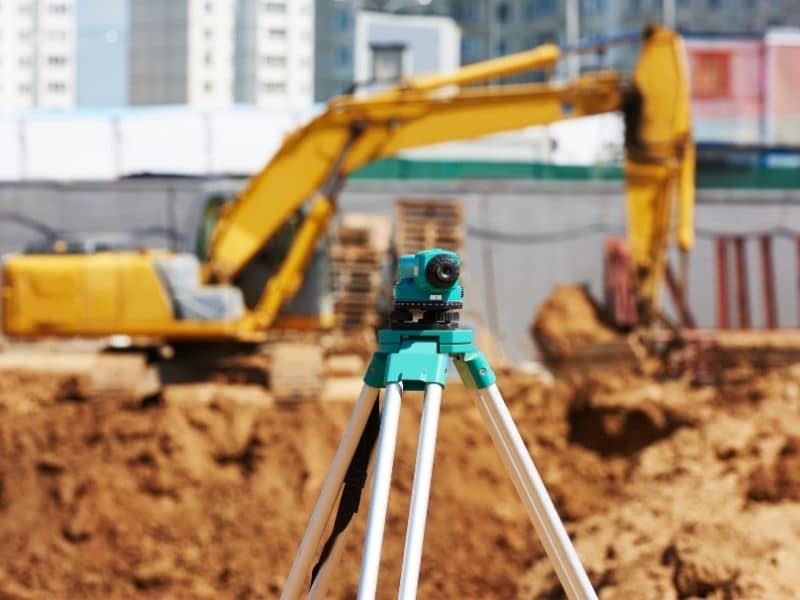
Big commercial projects in Dallas don’t get built all at once. A shopping center opens its first stores. The rest of the land waits empty. An office park starts one building while another is still just a drawing. This takes time. But it creates a real problem. How do you make sure buildings and roads built years apart still line up correctly? A construction surveyor is the answer. They make sure every phase connects to the one before it, even if years pass between them.
Starting Right with Phase One
The first phase sets everything else up. Roads. Utility lines. Where buildings go. Where parking areas sit. Every choice in phase one affects what comes later. Surveyors place permanent markers during phase one. These same markers are used for every future phase. Whether the project takes two years or five years, these original markers guide the new construction teams. That’s how roads from different phases meet at the right height. That’s how buildings end up in the right spots. Without this, small mistakes add up. One contractor builds a road at the wrong height. Another contractor builds parking where measurements were off by a couple feet. On one building, that’s not a big deal. On a huge project over many years, these mistakes become expensive to fix.
Keeping Pipes and Roads in the Right Places
Big commercial sites share pipes, drains, and roads. The drainage system built in phase one must handle the whole site. Pipes get put in years before some buildings are even built. Main roads are made to handle traffic from areas that don’t exist yet.
Surveyors check that all the utility lines are exactly where the plans say they should be. Before the next phase starts, they verify that roads will connect smoothly at the borders. They make sure the drainage slopes are correct. Sometimes what’s on paper doesn’t match what’s actually on the ground after several years.
Working with Multiple Construction Teams
One company rarely builds an entire multi-phase project. Different teams build different phases. Sometimes they work at the same time on opposite sides. Sometimes years pass between one team’s work and the next team’s start.
These teams don’t share notes with each other. Each one works from their own plans. The surveyor is the only person who stays the same throughout the whole project. They use the same markers. They use the same measuring system. Every new team that arrives works from the same original setup. This keeps the project from falling apart where two phases meet. Without it, both teams can do good work but still not connect properly at the boundary.
This happens with pipes that need to connect between different sections, parking lots that must flow smoothly across where phases meet, buildings next to each other that need to line up, and ground surfaces where one team’s finished work becomes the next team’s starting point.
When Plans Need to Change
Plans change on long projects. A shopping center loses a major store. An office building needs to be taller. An apartment section gets added to areas planned for offices.
This is normal. The hard part is making new plans work with what’s already built. Old survey records show exactly where roads, pipes, and buildings actually sit. Designers need this real information before they change anything. Without it, they’re just guessing. Guesses cause problems when crews show up and find out what’s really there. Changing a plan on paper takes a few hours. Making it work with what’s built requires real measurements.
Records That Stay Useful
A project that takes five years creates lots of survey paperwork. Height records. Pipe locations. Measurements of everything. Most of it gets filed away when the project ends.
But people need it later. A property manager needs to know the parking lot heights before fixing it. A bank needs to know where underground pipes are before lending money. A developer needs to know where pipes run before adding a new building. Survey records answer these questions. No searching through old emails. No calling contractors from years ago. The information is there and correct.
Frequently Asked Questions
What does a construction surveyor do on a multi-phase project?
They provide measurements and reference points that keep different phases connected and organized throughout the whole project.
Why are multi-phase projects different from single buildings?
Multi-phase projects take longer to build, so surveyors must keep everything connected over many years.
Can different contractors work on different phases?
Yes. Surveyors keep the same reference points for all contractors, so everything stays aligned.
Do surveyors help when plans change?
Yes. They provide the real field measurements that let designers change plans without creating problems.
Why keep survey records after building is done? T
hese records help with future repairs, additions, and financing. Banks and property managers use them.
What types of projects use multi-phase construction?
Office parks, shopping centers, apartment complexes, and industrial parks often use phased construction.